Now, think about all the apps you have on your phone. Think about those apps you rely on every day without noticing the triggers for habit loops. Your thumb just knows where to click. The effortless natural, second-nature interactions is an abundance of human psychology and deeply technical engineering. The modern user has an absolute policy against digital friction; if the mobile’s screen is sluggish for just a fraction of a second or takes a long time to load weak mobile data, or if it fails to send the notification, it will be deleted in a matter of minutes. The stakes are high for founders with a financial backing, as well as teams that concentrate on growth. It takes more than an attractive page or smooth surface for launching a digital service. It requires a strategic collaboration with a top mobile app development firm which is focused on human engagement from the very beginning of the production.
The Constantly Shifting Ecosystem Rulesbook
Mobile engineering is more difficult than traditional web development since you’re basically working on shifting sand. Apple launches a new version of its operating system every autumn. The new version includes more stringent privacy statements, the phasing out of outdated code, as well as revisions to app store reviews protocols. Google operates within its own nebulous timeline, continually changing the way notifications work and the way background processes work with battery power. Your product may break if your team is not aware of the changing rules. It will result in unsatisfactory reviews and faulty features. It is for this reason that businesses should seek out mobile app developers who see their tasks as a continuous, ongoing lifecycle, rather than just an coding sprint. Release engineering is an ongoing process that assures that an automated pipeline for shipping is in place and secure at every operating system upgrade.
The Native Experiences at the Crossroads
In the process of defining a mobile roadmap, it is inevitable that product creators will reach an important crossroads. They need to decide how code interacts with physical hardware. Choosing dedicated iOS app development services gives teams direct, uncompromised access to Apple’s latest native frameworks, allowing for butter-smooth animations and deep ties to specialized features like HealthKit or biometric security. On the other side of the spectrum, investing in targeted Android application development services will ensure that your app will be able to take on the awe-inspiring variety of screens and processing capabilities used across the worldwide device market. Native architecture is the top-of-the-line when your business model is dependent on the use of devices that are heavy, such as interacting with low-latency Bluetooth accessories and tracking precise locations in real-time and facilitating seamless checkout processes using native billing systems.
Cross-Platform Engineering: Speeding up the production time
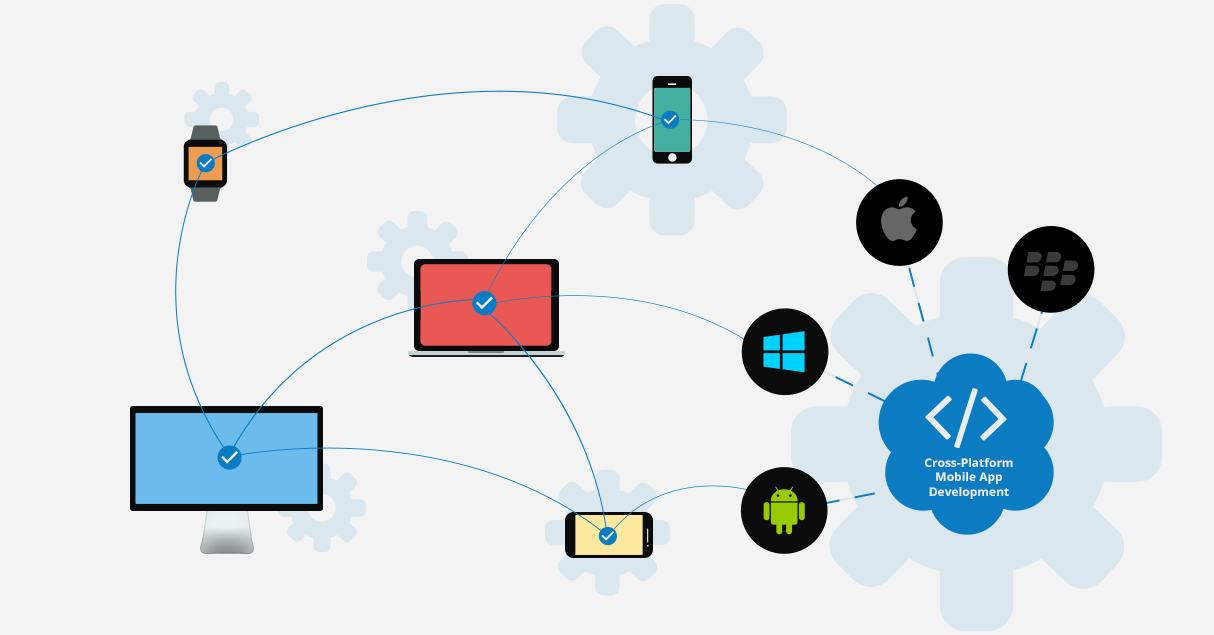
Pressures and constraints on funding from competitors could put an increase in the resources of many organizations. A cross-platform strategy allows developers to develop, test and maintain one codebase which runs on both platforms. This hybrid approach slashes traditional launch times by months, letting companies collect feedback from real users at just a fraction of the cost. Brands can develop high-quality, stylized and pixel-perfect user interfaces by choosing an Flutter app development company that is an expert in this area. This guarantees visual consistency across all devices. When backed by a strong base of automated testing and strong background data syncing this cross-platform approach provides the perfect balance between speedy market entry as well as high-performance execution.
Engaging users in a sustainable and sustainable way
At the end of the day, the effectiveness of a mobile launch will be measured by the long-term, sustainable usage patterns, not only quick surges in downloads. The top mobile platforms embed crucial behavioral triggers right into the stack of technology. This makes sure that the onboarding process provides benefits in the first 60 second, the local cache of data automatically occurs when there is an unexpected drop in cell signal, and that the notification system respects the user’s attention. If your team’s goal is to release an agile minimum viable product to demonstrate your market suitability, or deploying a massive enterprise system that demands strict compliance with data and data compliance, the fundamental goal remains the same. Digital Heroes will help you develop a robust digital asset, by committing to a pattern of engineering that is organized and predictable while respecting your users’ time and performance of the device.