Before anyone could even photograph or look at, or even put Megalodon teeth on a shelf it was performing something much less tranquil. It was among the largest predatory sharks to have ever existed in the oceans of Earth. The tooth was ripped out. That’s the end of it for the majority of items. For a dinosaur fossil, this can be the start of the story.
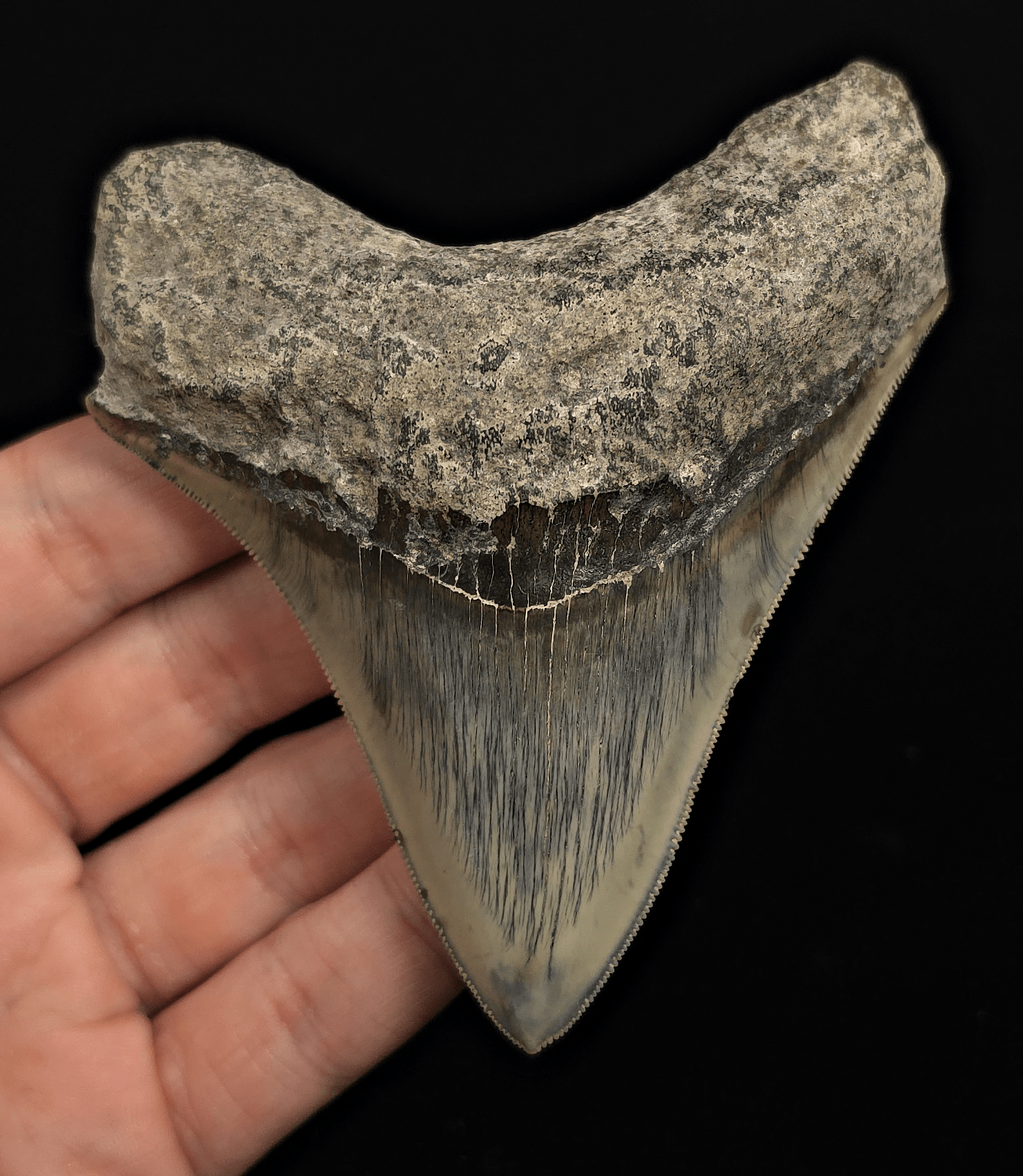
Image credit: fossildriven.com
The specimens offered by Fossil Driven have traveled through a geological process measured not in years or centuries, but in millions of years. The experience of looking at a fossil is transformed when you comprehend the process. It’s no longer an interesting thing to look at. You’re seeing physical evidence of a long-gone world.
First Station: An Ancient Ocean
Take Megalodon’s tooth from West Java in Indonesia. Around 20 million years ago, the vast areas of dry land that we see today were marine warm environments. Megalodons, in addition to many other species of marine, lived in the prehistoric seas.
Like modern sharks Megalodon constantly produced and lost teeth. A few of these teeth were later buried in marine sediments. If the conditions are favorable, burial can protect the teeth sufficient time to permit fossilization.
Then, Geology came in.
The next chapter proceeded incredibly slowly. Sediments built up. Minerals acted in conjunction with buried materials. The forces of geology changed landscapes, and submerged areas became land. This is the reason why buyers are aware that fossil megalodons are of many hues.
Indonesian specimens found in the West Java’s Miocene Bentang Formation are able to appear gold, tan, blue, brown, red or even black. Some exhibit various shades within one tooth. The mineral surroundings contribute to the appearance that a specimen develops during its long burial. It is therefore impossible to mass-produce through nature. Each fossil has a geological history.
Discovery Begins Another Chapter
A fossil that has been hidden for millions of years can be recovered. Now identification and documentation become important.
When collectors of megalodons search through authentic teeth available for sale, they aren’t just focusing on appearance. That’s why they need to know about the geological age, locality, preservation and repairs.
Natural wear does not erase the historical significance of a fossil. It’s possible that a worn edge or root that isn’t properly formed and an incomplete serration, are all a part of the specimen’s past. Most important is to portray the specimen with accuracy.
Fossil Driven offers over 13 years of fossil identification experience to that process and works with well-known fossil hunters and suppliers. The specimens are examined and described with pertinent information whenever it is possible.
The Fossil can reach someone’s hands.
There are many reasons why people choose to purchase fossils. Many people create a meticulously separated collection. Certain people prefer one striking piece that sparks conversation. A child interested in prehistoric creatures could receive the very first fossil which sparks an interest in paleontology.
Megalodon’s teeth provide a method to enter the world. Dinosaur tooth, mosasaur, ammonites and trilobites, as well as mammoth, amber and ammonite material preserve different chapters in Earth’s history.
The greatest thing is knowing that it’s real
A replica is able to recreate the appearance of a tooth from the past. It isn’t able to recreate its past. It is impossible to recreate its past.
This is the reason authenticity is so important. If you are holding a genuine fossil it is a thing that has created an amazing trip across time. The latest stop of the fossil is the display case.