A park district has approved funding for an updated public toilet. The building is in a good location and the team is set for the next step.
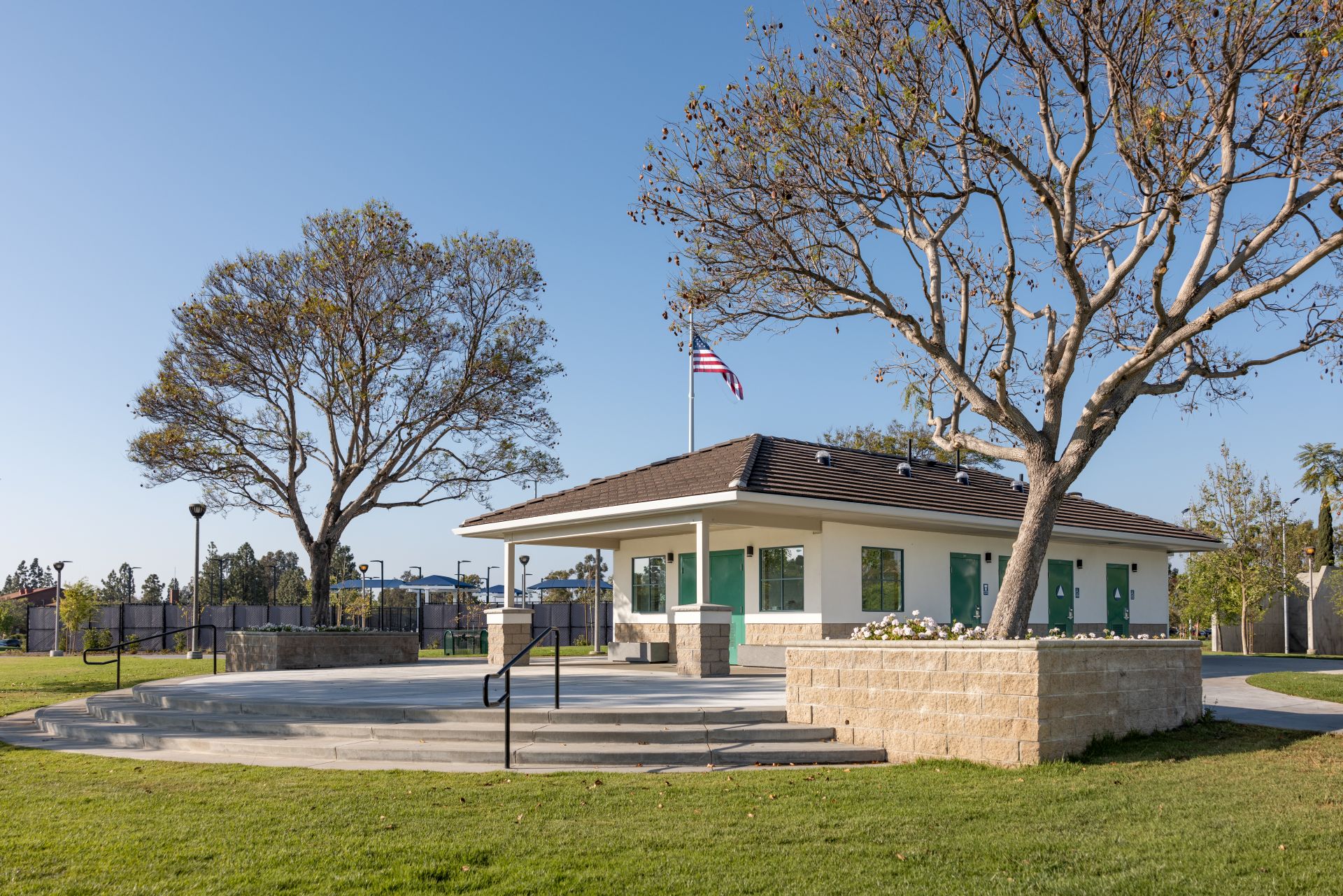
Image credit: romtec.com
The contractor then begins to look over the site. The drainage issue is an issue at the site proposed. Electricity connections are farther away than what was expected. The delivery vehicle might struggle to access the installation site and the chosen design doesn’t match the available space.
The project will not be stopped if none of these issues are solved. The issues can lead to delays, redesigns, and delays in construction. Developers and public agencies bathrooms, the project is simpler to manage if site conditions influence the building decision-making process from the beginning.
A Drawing of a Building Doesn’t Tell the whole story
Before selecting prefabricated park restroom buildings, project teams should understand what the surrounding property can accommodate. The location’s slope and soil condition, drainage, utility availability, and accessibility to construction can all impact the design.
For instance, a bathroom built near a playground might require connections to the existing sewer and water lines. If the connections aren’t readily available or cost prohibitive to expand, a different approach may be needed.
The building’s foundation and placement must also account for any applicable codes, accessibility rules, and site-specific conditions. A typical building layout might appear appealing on paper, but will require major changes once the details are analyzed.
Urban Projects Have Their Own Construction Restrictions
The installation of sidewalk restrooms requires more than finding space to build a small structure. On sidewalks that are public you will find underground utilities, pedestrian pathways streets furniture, and construction entrances nearby. The construction process may also require collaboration with local authorities.
If a toilet is too close to an existing utility line, it can result in foundation or excavation issues. Accessibility of the restroom is a factor. The entrance and its surrounding route must be in compliance with any applicable requirements.
Romtec offers customizable ADA-focused single-user restrooms, with the option of a sink and door positioning. These design choices allow teams to take advantage of limitations on the physical space while making plans for a practical public usage.
Do you have no sewer Connection? Consider the Alternatives
Remote recreation sites present a new infrastructure challenge. The trailhead could be many miles from the nearest sewer which makes flushing toilets a non-sensical option.
Vault toilets offer an alternative to toilets without water in some locations. Instead of pumping water into the sewer system they collect the garbage and store it inside an enclosed chamber which must be cleaned periodically.
However, choosing vault toilets does not make it easier to plan the site. The construction still requires suitable soil conditions, safe access to servicing equipment, appropriate ventilation, and compliance with the applicable environmental regulations.
Romtec’s Sweet-Smelling Technology (SST) is utilized to design waterless vault toilets. This assists in reducing stinks through ventilation. For remote properties, selecting the sanitation system early will help avoid costly modifications to the building design later.
Construction Coordination Starts Before Delivery
The most popular misconception about prefabricated constructions is that a majority of project decisions are already made by the manufacturer. In practice, site preparation foundation requirements, utility connections accessibility, and local approvals are still required to be coordinated. Romtec’s approach for these projects is to use customized building kits and design help, rather than relying solely on pre-built structures.
The company collaborates closely with the landscape architects, project owners and contractors to ensure that they match the building requirements to those of the site. This method is particularly advantageous when a bathroom needs to conform to an existing architectural style or be able to accommodate unique property requirements.
Better questions can help you to create a better product
Before approving a purchase for a bathroom owners should determine the manner in which the building will receive utilities, how construction equipment will reach the location and what approvals are needed.
They should also understand whether the system chosen for sanitation is suitable for the expected quantity of guests, and if it is possible to install the facility without major modifications to the surrounding infrastructure.
The questions are not as thrilling as exterior finishes or architectural details but can affect more on the project’s costs and timeframe.
The public restroom projects which are successful don’t only provide the facility on time. It’s one that has the building and site infrastructure as well as the construction process and the purpose for which it is intended to be in conjunction. The bathroom that is finished will be more effective if these decisions are made in advance.