The month has ended. The sales were strong, the P&L is in profit and nothing is to be terribly off.
Then, you should check the restaurant’s bank account.
This number isn’t exactly what you expected.
This disconnect can be frustrating for restaurant owners as they think that profit and cash flow should be the same. But they don’t. A P&L is a measure of the financial performance of a company for a particular period of time, while accounts in banks show the exact time of money flowing into and out of he business.
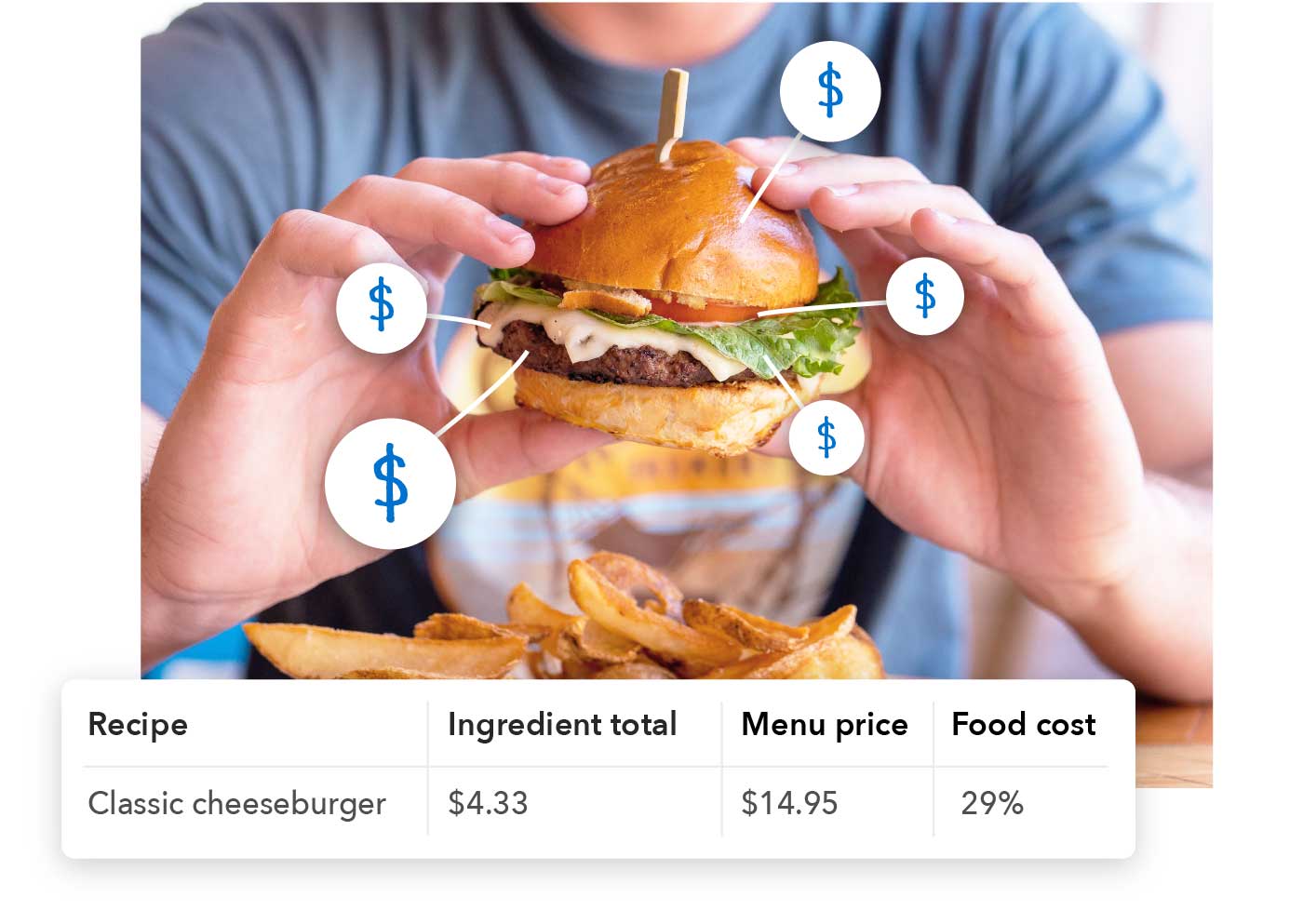
Understanding the different aspects can help owners change their perspective on restaurant finances.
Imagine what goes on during an average week. Food is paid for by customers. Employers must be paid. Invoices for food and drinks are sent. Rent is on the verge of being due. The time of credit card deposits differs. Taxes on sales have been collected, but that money has a responsibility.
The buying for next week has already started.
If you just look at the amount of revenue or the final income, then you’ll overlook a significant portion of the activity.
The key to the answer may lie in the price of the best.
Food, beverages and labor cost are all worth a close look when restaurant profitability starts to fall.
Cost of sales combined with labor is the primary cost. The Bookkeeping Chefs’ provided guidance places the prime cost between 60-65 percent of revenue for many restaurants. They also emphasize the importance of weekly monitoring rather than waiting until the month ends.
Effective prime cost management is not about focusing on a single percentage and more about being able to spot changes earlier.
Imagine that the restaurant usually performs within its targets however this week’s performance increases. Perhaps the overtime rate is up. Perhaps beverage costs were steady while food costs grew. Operators may examine menus or waste, portion sizes, vendor invoices, and purchasing if the proportion of food is higher.
The percentage raises questions. The answer is found in the activity of the restaurant.
A weekly report can make this conversation possible and everyone is still able to remember what happened.
A few weeks later after that, the details become harder to decipher.
The Vendor Bills are then delivered.
A restaurant could purchase the ingredients this week, but then pay for these items in the future. This is the reason knowing the profit isn’t enough to answer every cash question.
Vendor invoices must be received and logged. In a business that has many suppliers, doing this manually can become the company’s own administrative task.
Automating accounts payable simplifies the process, cutting down on tedious tasks such as managing the payment and bill details. The owner can get better insight into the debts that haven’t landed in their bank accounts through the bookkeeping software that is connected to.
This is useful, because the bank balance can appear healthier than a restaurant’s current situation.
It could be that there is $80,000 in the account as of today. The amount could have a different meaning depending on other factors such as rent, payroll, vendors and other obligations that will be due in the next few days.
Forecasting cash flow is a common outcome.
What will happen with our cash after we’ve gotten the money that we expect and have met our obligations?
It is important to know the difference before deciding if this week is a good moment to upgrade equipment, buy additional products, or conserve liquid funds.
And Some of the Cash Wasn’t Yours at All
Sales tax highlights this particularly well.
Restaurants collect money from their customers, which they must deal with in accordance with the tax requirements. If these cash-flows are placed in the same category as operating cash, it may create a false impression of the cash available for spending.
Regularly maintained records help restaurants comply with sales tax laws, while providing a realistic overview of their financial standing.
This is the reason restaurant accounting is more efficient when financial responsibilities aren’t considered as separate islands.
Prime cost affects margin. COGS and future payments are affected by the purchase of vendor products. The percentage of labor and cash are affected by payroll. Cash availability is impacted by sales tax. P&Ls record financial performance while forecasting lets management see the future.
Connect the pieces.
Bookkeeping Chef integrates restaurant-specific reporting through system integrations. For operators who don’t want to spend their nights manually reconciling financial data, specialized outsourced bookkeeping services can handle much of the accounting workload without removing the owner from the financial conversation.
It’s the very last one that’s important.
It’s not for restaurant owners to simply stop looking at their accounts because someone else is handling them. It’s important that the owners are informed so that they know what’s happening.
Don’t believe that the P&L is not correct if the accounts appear to be in a good state, yet the P&L confirms that the restaurant made money.
What transpired between the two?
This question will reveal more about your business than any number.