On paper, a pumping project could appear simple enough: water must be pumped from one location to another. In real life, the distance between those two points may be subject to changing rate of flow, elevation differences, solids, pressure requirements storage capacity, controls, electrical equipment, maintenance access and even site restrictions.
For Romtec Utilities to design an infrastructure for pumping begins with specifying the operational conditions rather than choosing the appropriate items from a standard catalog. Initial designs and budgetary details can be created based on the requirements of the project.
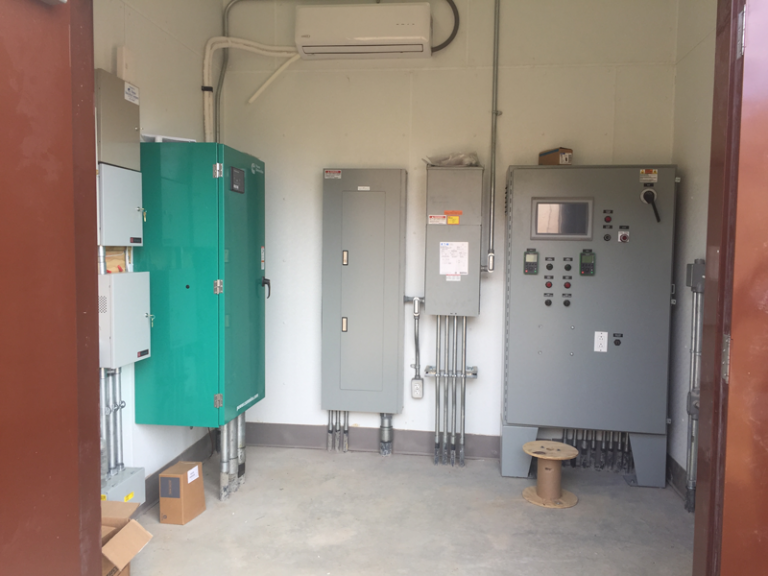
Image credit: romtecutilities.com
Begin with a single question What are we doing?
The solution immediately alters the process of engineering.
Domestic sewage is often contaminated with solids, and can experience a variety of variations in daily flow. A wastewater lift station must move that wastewater reliably when gravity conveyance is unavailable or insufficient. Engineers have to take into account the following factors: expected inflow the condition of the pump, its peak, capacity, behavior of the wet well as well as the way in which equipment is maintained and operated.
There are a variety of challenges that arise with industrial water. Fluids that are caustic or oily or that have high temperatures or pressures may be required by a manufacturing or processing facility. Romtec Utilities creates industrial systems that are utilized in applications ranging from data centers to oil and gas facilities, food processing, power generation, and pharmaceutical waste.
Rainfall has a completely distinct Operating Cycle
Stormwater systems can be inactive for long periods of time and then suddenly encounter the possibility of a huge volume in the course of a storm.
A stormwater pumping station that is part of an detention basin must in particular, function in conjunction with the bigger drainage plan of the area. The water that flows through the detention basin, where the temporary storage manages the immediate volume, and the pumping system moves the water collected to a discharge point that is approved.
Romtec Utilities supplied this type of service for a commercial park located in Norco, California. The project required a pumping system that would empty a reservoir into the stormwater system of the public. This station had be constructed as a part of the drainage infrastructure, not as an isolated piece of equipment.
“Package” Doesn’t have to Be Off-the-Shelf
It is a common misconception that a pumping system used for packages is simply a set of predetermined elements.
Packaging can be used to integrate the main elements into a system designed specifically for the project. Pumps and valves can be determined based on the duty requirements.
It’s especially helpful in connecting a brand new system to existing infrastructure. In municipal and industrial structures, there’s not unlimited space available or a complete clean environment for the installation. The equipment might need to be adjusted around existing piping systems, structures electric system, as well as operating schedules.
The Real Costs of Capacity Planning
The cost of undersizing rises as the size of the facility increases.
At Portland International Airport, Romtec Utilities provided a sewer interceptor lift station for the PDX Next expansion. The new station was required to be designed to accommodate twice the capacity for peak flow since the airport had expanded.
This example illustrates a key engineering principal: Design conditions must not be limited to the capacity of a facility. manage on the typical afternoon. Engineers must also know the impact of demand spikes.
The job isn’t done until the Equipment is delivered
Drawings and calculations eventually turn into an operating system. Coordination of installation, starting testing documentation, as well as operator comprehension all play a role in the long-term success of.
A properly engineered pumping system is ultimately defined by what happens years after the construction. When flow rates increase when a major storm hits, or equipment requires maintenance the choices made during the initial design phase become apparent.
For Romtec Utilities to integrate those choices into a comprehensive project-specific pumping strategy helps transform each piece of equipment into infrastructure designed for the conditions it will actually face.